
English


Views: 0 Author: Site Editor Publish Time: 2026-06-03 Origin: Site


Finding accurate, up-to-date pricing for heavy machinery is notoriously difficult today. Dealer markups, regional variations, and fluctuating supply chains constantly obscure true market values. You might spend hours researching only to find outdated figures. Buyers need reliable data to plan their capital expenditures without relying on guesswork. Hidden operational expenses and varying acquisition costs can easily derail a project budget if left unexamined. You must understand exactly where your capital goes. We provide a transparent, evidence-based breakdown of current acquisition costs, hidden operational expenses, and ROI expectations. This guide helps you make an informed purchasing decision tailored to your operational needs. Exact quotes always require direct dealer engagement to finalize. However, establishing a solid baseline budget is the first critical step in your procurement process.
Baseline Costs: New models typically range from $90,000 to over $150,000, while reliable used units generally fall between $40,000 and $80,000.
Primary Price Drivers: Horsepower, dig depth, cab configuration, and the reputation of the backhoe loader manufacturer.
Total Cost of Ownership (TCO): Sticker price is only one part of the equation; maintenance, attachments, insurance, and financing must be factored into the ROI model.
Procurement Strategy: High-utilization fleets benefit from new warranties, whereas municipal or intermittent users often find better ROI in the secondary market.
Buyers need immediate baseline numbers. You must determine if capital expenditure budgets align with current market realities before soliciting bids. Establishing these baseline parameters prevents wasted time during negotiations. We break down these financial figures below.
Pricing for brand-new equipment scales directly with size and capability. Compact units start at lower price points and suit landscaping or light utility work. Standard models handle general construction tasks and carry moderate price tags. Heavy-duty models cost much more due to their reinforced frames and massive hydraulic output.
| Size Class | Engine Power | Estimated Price Range | Typical Applications |
|---|---|---|---|
| Compact | Under 75 HP | $60,000 - $90,000 | Landscaping, Light utility, Urban projects |
| Standard | 75 - 100 HP | $90,000 - $120,000 | General construction, Trenching, Roadwork |
| Heavy-Duty | Over 100 HP | $120,000 - $150,000+ | Mining, Heavy excavation, Demolition |
Base models offer stripped-down functionality to keep costs minimal. Fully loaded units push prices significantly higher. Adding four-wheel drive (4WD) improves traction but increases the upfront cost. An extendable dipper enhances reach but adds mechanical complexity. These premium features transform a standard backhoe loader into a versatile powerhouse on any job site.
Depreciation curves dictate secondary market values aggressively. Age and operating hours matter most when appraising used machinery. Units showing under 3,000 hours typically hold a premium price. They still offer years of reliable service. Machines registering over 6,000 hours see heavy discounts. They often require major hydraulic overhauls soon.
Auctions offer lower acquisition prices but carry higher risks. You rarely get warranties at auction. Certified pre-owned dealers charge more for their inventory. However, they reduce your operational risk significantly. This distinction becomes vital when you search for a backhoe loader for sale locally.
Tip: Always request the complete maintenance logs and oil sample reports when evaluating used equipment. These documents reveal remaining lifecycle value far better than cosmetic appearance or fresh paint.
Upgrades increase your initial costs substantially. You must understand exactly what you pay for when leaving base specifications behind. Strategic upgrades improve efficiency, but unnecessary add-ons waste valuable capital.
Moving from a 70 HP engine to a 110+ HP engine changes everything. It scales your operational capability dramatically. Heavier machines lift more material per cycle. They also break through compacted soil much faster. Higher horsepower translates to better hydraulic flow rates. This allows attachments to run smoother. However, larger engines burn more fuel daily. They also require more expensive maintenance components over time.
Standard sticks work exceptionally well for basic trenching tasks. They usually max out around 14 feet of dig depth. Extendable dippers (often called extendahoes) add significant reach to the machine. They let operators dig deeper without repositioning the equipment. They carry a steep price premium upfront. Understanding this specific capability premium helps you evaluate any backhoe loader price accurately during negotiations.
Open canopies feature standard Roll-Over Protective Structures (ROPS). They keep initial equipment costs low. However, they expose operators to weather, dust, and noise. Enclosed cabs cost significantly more. They feature advanced HVAC systems, air-suspension seating, and ergonomic pilot controls. They improve daily comfort dramatically.
Note: Ergonomic upgrades in enclosed cabs often pay for themselves quickly. You retain skilled operators longer. You also reduce fatigue-related errors on long-duration project sites.
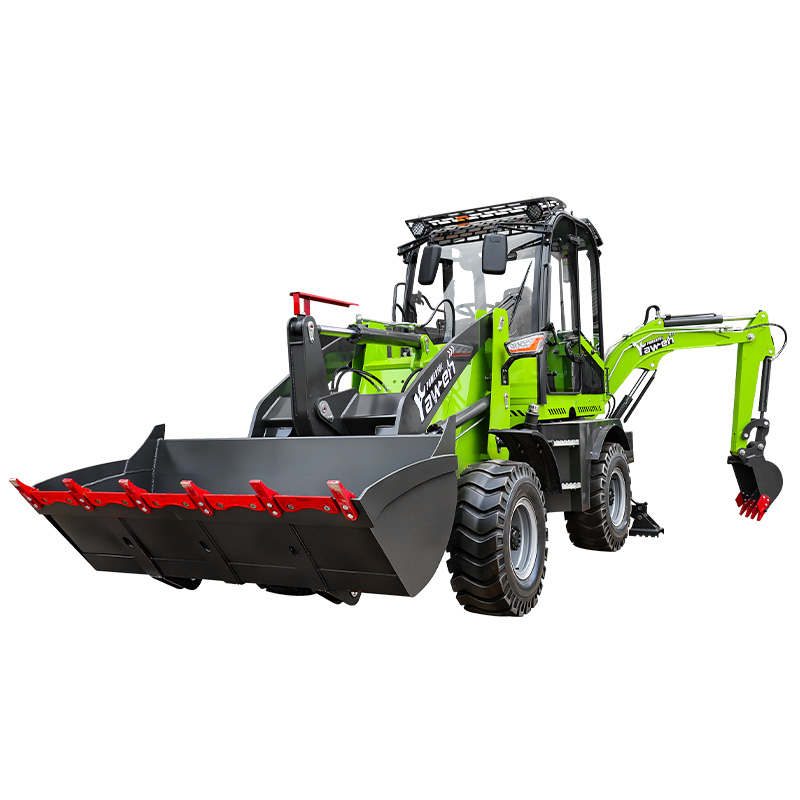
Modern backhoe loaders offer enclosed cabs and enhanced horsepower to maximize job site efficiency.
Brand reputation influences heavy machinery costs directly. You must weigh brand premiums against long-term reliability and residual value. Brand selection impacts your daily operations and your future resale potential.
Industry giants like Caterpillar, John Deere, and Case command top dollar. They offer decades of proven reliability in harsh conditions. They also provide extensive training resources. Emerging overseas brands provide budget-focused alternatives for cost-conscious buyers. They save you significant money initially. However, they might lack long-term performance data. Parts availability for value brands can sometimes bottleneck project timelines.
Paying a 10% to 15% premium for a top-tier backhoe loader manufacturer pays off later. It almost always yields a higher return upon resale. Secondary buyers trust established brand names implicitly.
Local support matters immensely for heavy equipment. Having an authorized dealer within a 50-mile radius ensures fast emergency service. You get replacement parts quickly when machines inevitably break down. Extensive dealer networks minimize your costly downtime during critical construction phases.
Initial purchase prices only tell part of the financial story. You must evaluate the true financial impact over a standard 5-to-10-year lifecycle. Looking purely at the sticker price leads to severe budgeting errors later.
Add-ons increase machine capabilities instantly. They also increase your overall expenses. Buying specialty tools requires careful budget planning.
Hydraulic breakers: Essential for concrete demolition tasks. They require high flow rates and cost several thousand dollars.
Heavy-duty augers: Used for drilling posts and deep foundations. They demand regular bit replacements.
Specialty buckets: Narrow trenching buckets or wide grading buckets improve specific task efficiency.
Quick-couplers: Allow rapid tool changes on site. They save hours of labor but add mechanical complexity to the boom.
Routine machine care costs money every single month. You must estimate annual budgets accurately to avoid cash flow issues. Focus on specialized hydraulic fluids and OEM filters. Tires represent a massive recurring expense for wheeled loaders. Rough terrain destroys tread rapidly. Wear parts like bucket teeth require frequent replacement. Ignoring these consumables leads to catastrophic failures.
Current interest rates impact equipment financing significantly. High rates inflate overall spending over a five-year loan term. Heavy equipment insurance premiums add fixed monthly costs. You must insure against theft, damage, and liability. Mobilization and transportation between job sites also drain budgets. Moving heavy machinery requires specialized trailers and commercial drivers.
You need a clear decision matrix before acquiring machinery. Base this logic firmly on utilization rates and available capital. Following a structured approach removes emotion from the purchasing process.
High utilization demands absolute reliability. If you exceed 1,000 hours per year, buy new equipment. Strict municipal emission compliance often forces new purchases regardless of budget. Comprehensive manufacturer warranties prevent unexpected downtime. New machines offer peak fuel efficiency and modern safety features.
Mid-level utilization fits used machines perfectly. They serve remarkably well in auxiliary support roles on large job sites. Budget-constrained municipal or agricultural projects also benefit from secondary market pricing. A well-maintained used unit delivers excellent value if operating hours remain manageable.
Rent equipment for short-term, highly specialized projects. Rental eliminates your maintenance overhead entirely. It removes complex storage logistics during off-seasons. You return the machine when the job ends, freeing up capital.
Tip: Calculate your projected annual utilization rate honestly. If the machine will run for fewer than 400 hours a year, renting or leasing is typically a more capital-efficient strategy than purchasing.
Final equipment pricing involves many complex, composite factors. Upfront specifications, brand reliability, and long-term maintenance needs all dictate the actual capital required. You cannot judge an acquisition solely by its initial sticker price.
Define your exact site requirements clearly before you solicit quotes. Know your required dig depth, auxiliary hydraulic needs, and lifting capacity beforehand. We highly recommend requesting extended demo periods. Ask local dealers for comprehensive lifecycle cost projections to understand future obligations.
Follow these action steps:
Audit your current fleet utilization rates thoroughly.
Match technical specifications strictly to your daily job site demands.
Solicit at least three independent dealer quotes for comparison.
Review local maintenance networks and parts availability before committing to a brand.
A: A machine typically depreciates by 20% to 30% during its first year. This rate depends heavily on the specific brand and broader market conditions. Depreciation generally levels off in subsequent years. Maintaining detailed service records helps minimize this initial financial hit upon resale.
A: Not always. You must carefully match hydraulic flow rates between the machine and the tool. Additionally, universal quick-couplers often remain necessary to share attachments across different brands. Always verify compatibility with your dealer before purchasing specialty buckets or hydraulic breakers.
A: Manufacturers frequently offer highly subsidized promotional rates. You might see offers like 0% financing for 36 months on new models. Local banks usually cannot match these incentives. This makes dealer-backed financing highly competitive and often cheaper for brand-new equipment purchases.


