
English


Views: 0 Author: Site Editor Publish Time: 2026-06-10 Origin: Site


Operating heavy machinery forms the core competency of modern construction and municipal fleets. These versatile machines handle everything from digging deep trenches to moving massive soil piles. However, careless operation creates severe liability issues. It brings serious safety hazards and immense productivity risks to your job site. You must standardize your approach to mitigate these dangers effectively. This guide gives you a modern, compliance-oriented framework. We will show you exactly how to operate a backhoe loader safely today. Implementing these steps minimizes workplace accidents immediately. It prevents expensive equipment damage. It also maximizes your fleet return on investment over the long term. You will learn the most critical operational phases in detail. We cover everything from rigorous pre-operation protocols to core operational procedures. We also guide you through evaluating the safety features of modern equipment.
Standardization minimizes risk: Strict adherence to a universal pre-operation checklist prevents 70% of common site failures.
Stabilization is non-negotiable: Proper deployment of stabilizers and the front bucket is the foundation of safe rear-trenching operations.
Modern features aid compliance: When evaluating new fleets, pilot controls, ROPS/FOPS, and integrated telematics are critical decision factors.
Application dictates protocol: Complex environments, such as backhoe loader applications in municipal engineering, require specialized hazard assessments like utility mapping and traffic control.
Unsafe operation leads directly to strict OSHA citations. It triggers skyrocketing insurance premiums for your business. It also causes costly project downtime. For B2B fleet managers, job site safety correlates directly with operational profitability. Every machine accident pauses your entire workflow. It drains your resources and delays your project delivery dates. You cannot afford to treat safety as an afterthought. It must remain a central pillar of your daily operations.
A successful safety framework delivers highly measurable results. It ensures zero workplace incidents over the project lifespan. It prolongs your machine lifecycle significantly by preventing structural abuse. It also enables the rapid onboarding of new operators. When you have standardized rules, new hires adapt much faster. They learn exactly what you expect before they ever touch the ignition key.
Modern equipment possesses incredible capabilities. Yet, even the most advanced machinery requires disciplined operation. You must follow a step-by-step approach constantly. Adhere strictly to load charts. Always follow the guidelines provided by your machinery provider. This discipline ensures the machine functions safely under heavy stress. Advanced hydraulics can easily overpower the machine's physical balance if handled recklessly. Operator competency must always match machine capability.
Note: According to industry safety data, equipment rollovers and struck-by incidents remain the leading causes of job site injuries, making rigorous operator training a financial and legal necessity.
You must build site safety on a solid foundation. The pre-operation inspection serves as your primary defense line. Never skip this critical daily phase. Catching a mechanical issue early prevents catastrophic failures later in the shift.
A visual walkaround comes first. Detail the necessity of checking for hydraulic leaks underneath the chassis. Look for early tire degradation, such as deep sidewall cuts or missing rubber chunks. Inspect the loader arms and excavator boom for structural cracks before turning the key. Identifying a cracked weld early saves lives and prevents massive repair bills.
Next, verify all fluids and filters meticulously. Check the engine oil dipstick. Inspect the hydraulic fluid sight glass while the machine sits level. Verify your coolant and fuel levels. Emphasize checking these against your specific backhoe loader manufacturer guidelines. Running machinery on low hydraulic fluid compromises control responsiveness dangerously.
You must also perform thorough safety device verification. Ensure your ROPS (Roll-Over Protective Structures) remain completely intact. Check the FOPS (Falling Object Protective Structures) for overhead damage. Test the backup alarms by putting the machine in reverse briefly. Adjust your mirrors to eliminate dangerous blind spots. Always test the seatbelts. A faulty seatbelt nullifies the lifesaving protection of a ROPS cab entirely.
Finally, conduct a comprehensive site assessment. Survey the ground conditions carefully. Muddy, sandy, or uneven terrain changes your stability drastically. Identify overhead hazards like power lines or low tree branches. Locate all underground utilities immediately. You must require 811 or Dig Safe verification prior to any earthmoving. Striking a buried gas line or high-voltage cable causes catastrophic outcomes.
Here are the core pre-operation checkpoints you should mandate:
Inspect all tires for proper inflation and deep tread cuts.
Look under the machine for fresh oil or coolant puddles.
Check all pivot pins and bucket linkage points for excessive wear.
Clean the cab windows and mirrors thoroughly to ensure maximum visibility.
Test all exterior lights, turn signals, and warning beacons.
Tip: Implement a digital fleet management app for daily walkarounds; requiring operators to log photos of fluid levels and tire conditions ensures verifiable compliance.
Proper procedures prevent most job site accidents. You must follow strict, predictable workflows for both ends of the machine. Establishing a rhythm keeps the operator focused and the ground crew safe.
Start by safely entering the cab. Maintain three points of contact always. Never jump into the seat or grab the steering wheel to pull yourself up. Fasten your seatbelt immediately. Start the engine smoothly. Allow the hydraulic systems adequate time to warm up. Cold hydraulic fluid responds sluggishly. Warm systems provide crucial, responsive controls.
When driving and maneuvering, keep your front bucket low to the ground. Maintain a height of about 15 inches above the dirt. This practice maintains a very low center of gravity. It prevents the machine from tipping during transit. Always lock the rear boom securely before traveling. A swinging rear boom destabilizes the entire machine rapidly.
Using the front loader requires patience and precision. Approach soil or gravel piles squarely in first gear. Avoid hitting the pile at an aggressive angle. Do not overload the bucket beyond its rated capacity. Keep the heavy load low during transport across the site. Avoid making sudden steering movements. Sharp turns easily cause lateral tipping, especially on uneven ground.
Deploying the backhoe excavator demands a distinct, rigid workflow:
Lower the front bucket flat to the ground. It acts as a massive anchor point.
Deploy the rear stabilizers carefully. Lower them until the rear tires just lift off the ground slightly. Ensure the machine sits perfectly level.
Smoothly operate the boom, dipper, and bucket controls. Avoid jerky movements. Combined, harsh movements easily destabilize the machine.
Never undercut the stabilizer pads. Digging too close causes the ground to collapse underneath your machine.
Note: When operating the rear excavator, always be aware of your swing radius to ensure no ground workers are within the machine's operational envelope.
Here is a quick reference chart detailing safe workflows across different operational phases:
| Operational Phase | Mandatory Best Practice | Common Mistake to Avoid |
|---|---|---|
| Cab Entry | Use three points of contact. | Grabbing the steering wheel to lift up. |
| Driving Transit | Keep the front bucket just above the ground. | Driving across a steep slope laterally. |
| Front Loading | Approach material piles squarely. | Overloading one corner of the bucket. |
| Rear Excavating | Level the machine completely using stabilizers. | Undercutting the rear stabilizer pads. |
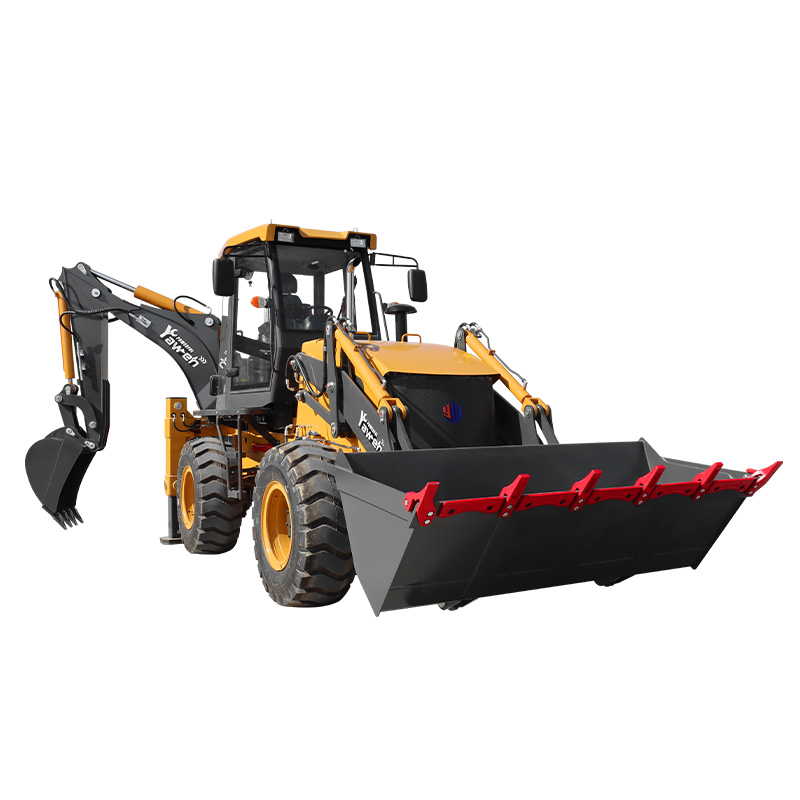
Modern machinery relies on proper stabilization and clear operator visibility to perform safe trenching tasks.
Certain environments amplify operational risks significantly. You must adapt your safety protocols accordingly. Standard procedures often require modification when you face slopes, lifting tasks, or urban congestion.
Working on slopes requires immense caution and spatial awareness. Always drive straight up and down slopes. Never drive diagonally across a hill under any circumstances. Keep the heaviest part of the machine pointing uphill. Usually, this means the loader bucket points up when fully loaded. If the front bucket remains empty, the rear excavator assembly might represent the heaviest point. Adjust your machine orientation accordingly to prevent backward rollovers.
Lifting operations demand strict adherence to weight limits. Only use manufacturer-approved lifting points. Do not wrap lifting chains around random bucket teeth. Ensure the load weight stays strictly within the machine load chart limits. The lifting capacity decreases rapidly as you extend the boom outward. Avoid traveling long distances holding suspended loads. If you must move, keep the load suspended just inches from the ground. Always use spotters to guide your path safely.
Municipal and urban applications introduce intense, dynamic challenges. In backhoe loader applications in municipal engineering, operators face incredibly tight spaces. They navigate live traffic lanes constantly. They work around complex, poorly documented underground utility webs. For tasks like street repair or water main trenching, precision becomes paramount. You must highlight the need for dedicated spotters. Implement robust traffic control plans immediately. Use physical barriers to protect the work zone from distracted drivers.
Tip: For municipal projects, mandate the use of trench boxes and strictly enforce a "spotter-only" communication protocol to prevent accidental utility strikes in congested urban areas.
Upgrading your fleet offers a tremendous chance to enhance safety natively. You must evaluate safety features closely during the decision stage. Buying the right equipment solves many safety issues before they even reach the job site.
Control systems play a massive role in reducing operator fatigue. Compare legacy wobble sticks against modern pilot controls. Joystick pilot controls require far less physical effort to operate. They reduce operator fatigue significantly over grueling ten-hour shifts. Pilot controls also offer far greater precision. This micro-precision directly impacts job site safety when digging near pipes.
Visibility and ergonomics matter deeply. Assess the cab for true 360-degree visibility. Does the machine offer a clear line of sight to the trench? You must also see the front loader bucket edges without leaning outward. Good ergonomics keep the operator alert and comfortable. Features like air-suspension seats and adjustable wrist rests prevent long-term musculoskeletal injuries.
Evaluate advanced safety tech carefully. Look for the integration of modern telematics. Consider load-weighing systems and proximity sensors. These features provide fleet managers with highly actionable data. You can track operator behavior closely. You will spot sudden braking events or consistent overloading habits quickly. You can correct these dangerous habits before a severe accident occurs.
Apply clear shortlisting logic during procurement. When procuring new machinery, prioritize models balancing heavy-duty performance with out-of-the-box safety features. Avoid relying heavily on aftermarket add-ons. Factory-integrated systems communicate flawlessly with the main computer. They offer much higher reliability in harsh, dusty conditions.
Weigh these safety features when upgrading your fleet:
| Feature Category | Legacy Equipment | Modern Safety Standard |
|---|---|---|
| Controls | Wobble sticks (high fatigue) | Pilot joystick controls (low fatigue) |
| Attachment Swaps | Manual pin removal | Hydraulic quick-couplers from cab |
| Monitoring | Analog gauges only | Integrated telematics & load sensors |
| Visibility | Thick pillars, blind spots | Curved glass, 360-degree sightlines |
Note: Upgrading to machines with integrated hydraulic quick-couplers allows operators to change attachments without leaving the cab, significantly reducing pinch-point injuries.
Safe operation requires a deliberate blend of disciplined pre-checks and rigorous adherence to operational procedures. It also demands investing in the right modern technology. You cannot achieve a truly safe job site through shortcuts. Standardization minimizes unexpected hazards daily. It protects your operators from easily preventable accidents.
Remember that safety represents a continuous process. You must factor the ease of safe operation into every single equipment evaluation. A safer machine yields higher productivity overall. It reduces fatigue, improves precision, and protects your bottom line from liability claims.
We recommend specific, action-oriented next steps for your operation. Fleet managers should conduct a quarterly audit of their operator training programs. Keep your team sharp, tested, and informed. Furthermore, consult with your equipment dealer regularly. Review the latest safety upgrades and operator assistance features available. Upgrading your fleet proactively is the best insurance policy you can buy.
A: OSHA requires formal certification and training to operate heavy machinery on job sites safely. However, specific commercial driver's licenses (CDLs) are generally only required if you are driving the equipment on public roads. These requirements vary heavily by local jurisdiction, so always check your local DOT regulations.
A: The maximum safe slope strictly depends on the manufacturer's specifications and current ground conditions. Soft dirt reduces safe slope angles drastically. Always keep the heavy load low to the ground and travel vertically straight up and down the slope to prevent rollovers.
A: A comprehensive visual and functional inspection must be completed before every single shift. Operators should check fluids, inspect tires, test safety devices, and look for structural cracks daily. Skipping this step increases the risk of catastrophic mechanical failures.
A: The massive digging force of the rear boom will easily pull the entire machine into the trench. It can also tip the machine over laterally if the rear stabilizers and front bucket are not properly anchored. Leveling the machine ensures the center of gravity remains secure.


