
English


Views: 0 Author: Site Editor Publish Time: 2026-09-29 Origin: Site


Unplanned downtime and catastrophic part failures erase project margins fast. Sudden breakdowns, like a blown hydraulic pump, can easily extend timelines by weeks. They frustrate operators and completely derail your job site progress.
A reliable mini backhoe requires far more than just reactive fixes. It demands a structured, hour-based service interval. You must align these intervals strictly according to standard manufacturer guidelines. Without a solid plan, minor daily wear accelerates into major mechanical failures rapidly.
We provide a transparent, field-tested maintenance schedule below. You will learn how to maintain strict warranty compliance and maximize equipment lifespan. Following this guide ensures your machinery stays productive on the dirt. You will discover exactly when to perform routine checks versus major fluid overhauls.
Daily checks are non-negotiable: 80% of major failures can be prevented by daily visual inspections and proper greasing.
Hour-based milestones dictate major service: The standard intervals are 10-hour (daily), 50-hour, 250-hour, 500-hour, and 1,000-hour marks.
Hydraulics demand precision: Contaminated fluid is the leading cause of compact equipment failure; strict hydraulic oil maintenance is the highest-ROI preventive action.
Documentation equals valuation: A verifiable preventive maintenance log directly increases the resale value of a mini backhoe and protects OEM warranty claims.
Equipment upkeep requires time and money. However, ignoring upkeep costs significantly more. We must evaluate maintenance as an investment rather than an expense. A structured routine protects your financial margins directly.
You must contrast the minimal cost of basic supplies against major repairs. Tubes of grease, fresh filters, and daily labor cost very little. Conversely, a blown hydraulic cylinder mid-project costs thousands. A snapped rubber track halts all progress. Idle workers still require wages while you wait for replacement parts. Rental costs for a substitute machine accumulate quickly. Routine upkeep eliminates these expensive surprises.
Equipment manufacturers operate under strict rules. Brands like Cat, Bobcat, and Yanmar require documented adherence to specific service intervals. They will not honor powertrain or hydraulic warranties blindly. You must prove you completed your preventive maintenance correctly. A denied warranty claim on a final drive motor devastates project budgets. Keep all filter receipts. Log every hour meter reading carefully.
Financial stability relies on forecasting. Sticking to a rigid mini backhoe maintenance plan shifts expenses appropriately. You move away from unpredictable capital emergencies. You transition toward predictable operational costs. You know exactly what fluids and filters you need each quarter. This transforms maintenance into a fixed budget line item. It prevents sudden cash flow drains.
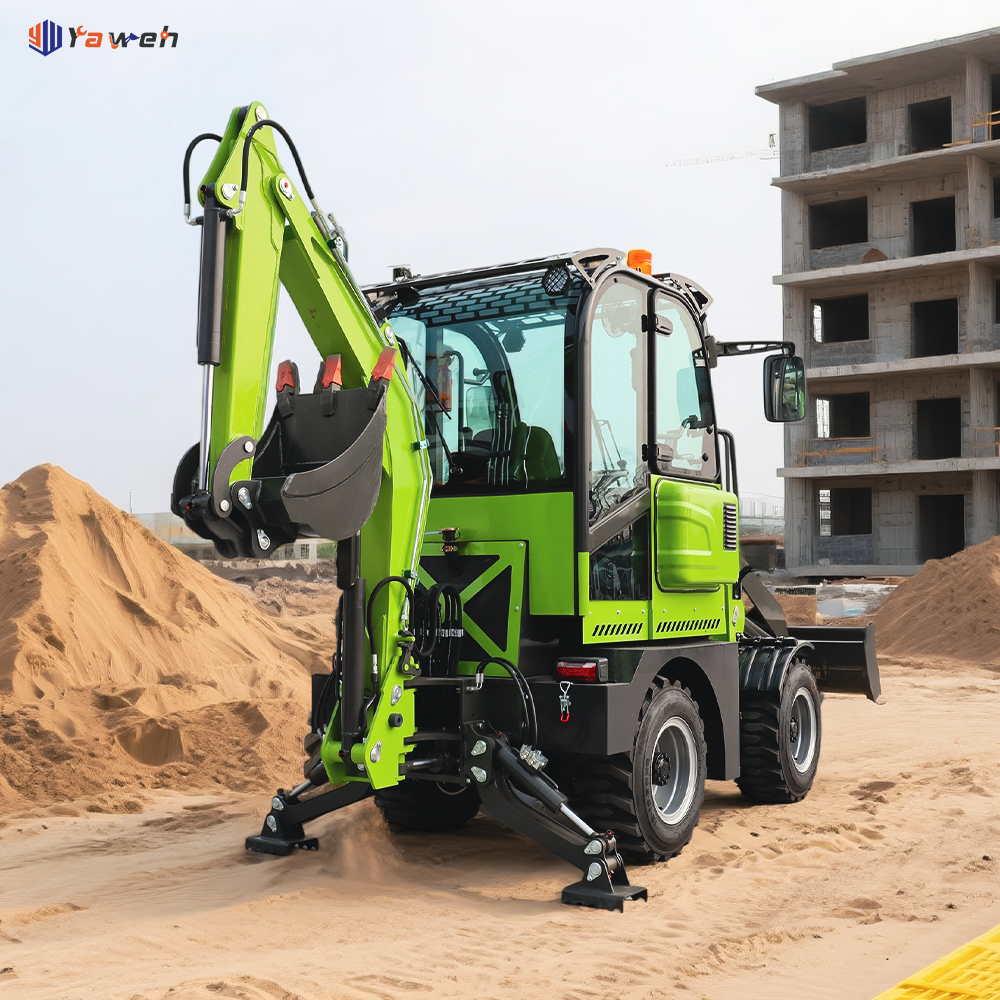
Every operator needs a reliable backhoe service schedule to follow. Always cross-reference your specific OEM manual for exact fluid capacities. However, the intervals listed below represent industry-standard baselines. They apply to nearly all modern compact earthmoving equipment.
Standard Maintenance Interval Summary
| Interval Marker | Primary Action Items | Core Objective |
|---|---|---|
| 10-Hour (Daily) | Grease pins, check fluids, clear debris | Prevent friction wear |
| 50-Hour (Weekly) | Drain water separator, check belts | Ensure fuel purity |
| 250-Hour | Change engine oil and primary filters | Protect engine internal components |
| 500-Hour | Replace return filters and final drive oil | Safeguard travel motors |
| 1,000-Hour | Flush hydraulic system, replace coolant | Prevent thermal breakdown |
You must complete a daily visual inspection before starting the engine. First, check the engine oil and hydraulic fluid levels. Look for puddles underneath the machine. Next, inspect and clean the air filter pre-cleaner. Dust chokes small engines quickly. You must grease all high-friction pivot points thoroughly. Focus heavily on bucket pins, the boom base, and swing cylinders. Finally, inspect your rubber tracks. Check their tension and look for visible cuts along the edges.
Common Mistake: Over-greasing pins until seals burst. Pump grease only until you see a slight purge.
This interval catches issues missed during rushed morning checks. Start by draining water and sediment from the fuel tank. Empty the water separator bowl completely. Water destroys fuel injectors rapidly. Next, check hydraulic hoses for weeping fluid. Inspect them closely in tight articulation points near the boom base. Hoses chafe easily during repetitive digging cycles. Finally, inspect your fan belt tension. Verify the battery terminal condition and clean away any corrosion.
At 250 hours, you reach a major fluid milestone. You must replace the engine oil and the engine oil filter. Old oil loses its protective viscosity. Next, replace the primary fuel filter. Clean fuel guarantees efficient combustion. You must also check your final drive gear oil levels. Travel motors operate in harsh dirt constantly. Perform a comprehensive undercarriage inspection now. Examine your rollers, idlers, and sprockets for uneven wear patterns.
Best Practice: Always warm up the engine slightly before draining oil. Warm oil suspends contaminants and drains faster.
This milestone focuses heavily on system filtration. You must replace the hydraulic system return filters. These filters catch microscopic metal shavings. Next, replace the final drive fluid completely. Do not merely top it off. You may need to check and adjust engine valve clearances, depending on your OEM specifications. Finally, inspect the cooling system deeply. Look at the radiator fins for deep debris buildup. Clean them carefully using compressed air.
This interval resets the machine's core operating systems. You must complete a full hydraulic oil maintenance routine. Drain, flush, and replace the entire hydraulic fluid reservoir. Over time, heat degrades hydraulic fluid severely. Next, replace all engine coolant. Old coolant loses its anti-corrosive properties. Perform a thorough structural inspection across the entire machine. Look closely for hairline cracks on the boom and dipper stick welds.
You must understand how smaller machines differ from full-sized excavators. Proper compact backhoe care requires targeted strategies. Their compact nature introduces unique mechanical stresses.
Compact machines are highly susceptible to hydraulic overheating. Their smaller reservoirs hold less fluid. Consequently, the fluid circulates faster and cools less efficiently. You must use exact OEM-spec fluid. Aftermarket fluids often lack crucial anti-wear additives. Furthermore, you face risks during attachment swaps. Switching from a bucket to a breaker exposes quick-couplers to dirt. Introducing even microscopic dirt destroys tight-tolerance hydraulic pumps over time. Always wipe couplers clean before connecting them.
Rubber tracks demand strict tension requirements. Loose tracks de-track easily on side slopes. Over-tightened tracks destroy final drive bearings prematurely. You must elevate the machine and measure track sag precisely. Operating surfaces dictate your track lifespan. Running constantly on abrasive concrete or jagged rock accelerates wear drastically. This alters your inspection timeline. You must check track lugs daily if working on harsh urban demolition sites.
Compact machines feature tightly enclosed engine compartments. Manufacturers pack engines, pumps, and radiators into minimal space. This design leads to faster dust accumulation. The cooling fan pulls dirt directly into the radiator fins. Overheating occurs much faster than in full-sized models. You must perform frequent compressed-air blowouts. Clean the radiator and oil cooler from the inside out. Never use high-pressure water, as it bends the delicate cooling fins.
You cannot treat all operating conditions equally. Environmental shifts demand immediate adjustments to your service routines.
Bringing a machine out of winter storage requires patience. Do not turn the key and immediately start digging. Follow a strict wake-up protocol:
Drain the water separator: Temperature fluctuations cause severe condensation inside cold fuel tanks.
Test the battery: Cold weather degrades battery cells. Perform a proper load test before starting.
Warm the hydraulics: Start the engine and let it idle. Cycle all hydraulic functions slowly. Extend and retract the boom several times to circulate warm fluid.
Inspect all belts: Rubber belts crack easily during freezing temperatures.
You must adapt your intervals based on your job site climate.
Dusty or Dry Conditions: You must shorten air filter inspection intervals drastically. Tap out the pre-cleaner daily. Grease the pivot points more frequently. Dry dust acts like sandpaper inside ungreased joints.
Cold Weather Operations: Switch to winter-weight engine oils. Standard heavy oils become too thick during winter. They starve the engine of lubrication at startup. Also, adjust your track tension carefully. Frozen mud accumulates inside the undercarriage. This stretches the rubber tracks forcefully. Clean the undercarriage out completely at the end of every shift.
Every fleet owner must decide how to handle servicing. You can manage it internally, or you can outsource it to experts.
Doing it yourself seems cheaper initially. However, you must assess the hidden costs of DIY maintenance. Consider your technician wages and overtime pay. You face strict fluid disposal compliance laws. Storing waste oil requires secure tanks. You must dedicate shop space for filter inventory storage. Most importantly, you face a massive risk of voiding warranties. Undocumented internal work gives manufacturers an easy reason to deny major claims.
Outsourcing often makes excellent financial sense. Customer Service Agreements (CSAs) eliminate maintenance headaches. Dealers guarantee the use of exact OEM parts. They perform advanced fluid analysis testing (SOS) during every service. This scientific testing catches internal wear before parts break. Dealers provide automatic scheduling based on your telematics data. Furthermore, many contracts guarantee loaner machines during major service intervals. This ensures your job site never stops moving.
We highly recommend a hybrid maintenance model. This balances cost and professional reliability perfectly.
Site Operators: Handle the 10-hour daily walkarounds and 50-hour weekly checks. They manage greasing, visual inspections, and basic cleaning.
Certified Dealers: Handle the 250-hour, 500-hour, and 1,000-hour intervals. They execute complex fluid changes, final drive servicing, and deep structural inspections.
The Result: You save on basic labor costs while ensuring complex work meets strict OEM standards perfectly.
Skipping a scheduled service is essentially taking out a deferred, high-interest loan on your machine’s lifespan. The breakdown will eventually happen, and it will cost exponentially more than the preventive care would have. You must take control of your equipment's health today. We recommend auditing your current fleet’s hours immediately. Pull the OEM manual for your specific model and standardize a daily operator checklist across all your job sites. Hold your operators accountable for morning walkarounds. Finally, contact a local service representative today to evaluate a professional maintenance contract, or download a printable daily inspection checklist to get your crew started.
A: You should grease them every 10 hours of operation, or daily. Use a high-quality lithium-based grease. Pay special attention to the bucket and boom pivot points, as they endure the highest friction. Pump grease slowly until you see a small amount purge from the joint.
A: We strongly advise against it. While cheaper, aftermarket fluids often lack the specific anti-wear additives required by high-pressure compact systems. Using incorrect fluid can immediately void OEM warranties if it fails to meet exact manufacturer specifications. Always stick to the recommended OEM fluid.
A: Watch for spongy or sluggish boom operation. Listen for unusual whining noises coming from the main pump. Additionally, inspect the fluid itself. Any milky or dark discoloration indicates severe water or dirt contamination. You must flush contaminated fluid immediately.
A: Yes. The hour meter records total engine run time, not just active digging time. Excessive idling degrades engine oil over time. It contributes to soot buildup. You must adhere to scheduled intervals regardless of whether the machine was digging or simply idling on site.


