
English


Views: 0 Author: Site Editor Publish Time: 2026-05-08 Origin: Site


A mini excavator usually weighs from 2,000 to 22,000 pounds. The weight depends on the model, brand, and size. Weight is important for stability, safety, and moving the machine. Many contractors like models that weigh 3-6 tons. These models have good power and are easy to move. If you know the weight, you can pick the right machine for your job. This helps you avoid accidents or fines.
Mini excavators usually weigh from 2,000 to 22,000 pounds. Knowing the weight helps you pick the right machine for your work.
Weight changes how stable and safe the machine is. Heavier machines give more control. Lighter ones are easier to move and fit in small spaces.
Always check the weight of your mini excavator and its attachments before moving them. This keeps transport safe and follows local rules.
Think about the size and power of the mini excavator. Bigger machines can do larger jobs but might need special trucks to move them.
Use a weight chart to look at different models and brands. This helps you choose wisely and avoid expensive errors.
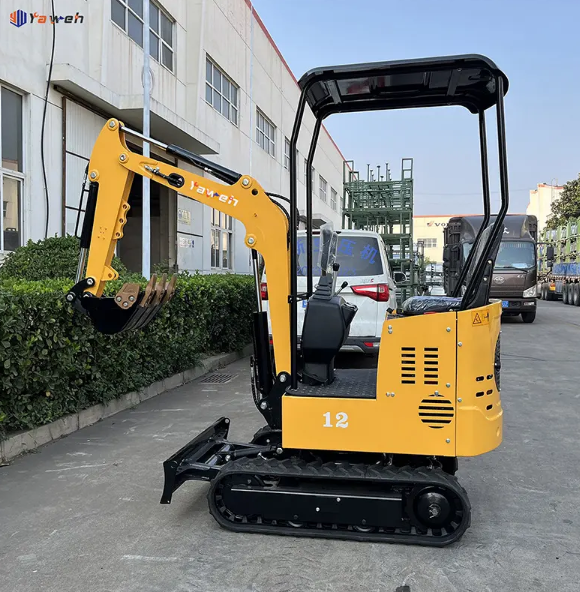
When you look at mini excavators, you will notice that their weight can change a lot. Most mini excavators weigh between 2,000 and 22,000 pounds. This wide range covers many different types and uses. If you want to know what is most common, you can focus on the average weight.
The average mini excavator usually weighs from 4,800 to 8,000 pounds.
Many popular models, like those used for small construction jobs, fall into this range.
For example, a medium-sized mini excavator often weighs between 6,500 and 7,500 pounds.
Knowing these numbers helps you choose the right machine for your work. You can plan for transport and make sure your job site is ready for the equipment.
Mini excavators come in different sizes. Each size group has its own weight range. You can use the table below to see how the weight changes with size:
Size Category | Weight Range |
|---|---|
Micro | Under 2 tons (< 4,400 lbs) |
Standard | 3–5 tons (6,600–11,000 lbs) |
Large | 6–10 tons (13,200–22,000 lbs) |
You will find that micro mini excavators are the lightest. These machines work well in tight spaces or for indoor jobs. Standard mini excavators give you more power and digging depth. Large mini excavators offer even more strength and can handle bigger projects.
Tip: Always check the weight of your mini excavator before moving it. This helps you avoid problems with transport and job site safety.
When you understand the weight range for each size, you can pick the best mini excavator for your needs. You will also know what to expect when you plan your work.
When you look at different mini excavators, you will see that each brand and model has its own weight. Some brands, like Yaweh, design their machines to be strong but still light enough for easy transport. Other brands may focus on extra features or heavy-duty parts, which can add more weight. You should always check the specifications from the manufacturer. This helps you know the exact weight of the machine you want to use. Choosing the right brand and model can make your work easier and safer.
The size of a mini excavator plays a big role in how much it weighs. Larger machines have bigger frames and stronger parts, so they weigh more. Smaller machines are lighter and easier to move. Capacity also matters. If you use a bucket with a larger capacity, it will weigh more. The weight of the bucket affects how well the machine works. Heavier buckets can lower the reach and lifting power of your mini excavator. Lighter buckets help you move faster and use less fuel. You need to match the bucket size to the machine’s capacity. This keeps your equipment working well and prevents damage.
Note: Always match the bucket weight to your mini excavator’s capacity for the best performance and to avoid extra wear on the machine.
Many attachments can change the weight of your mini excavator. Here are some ways attachments and fluids affect the total weight:
Heavier attachments can change the balance and stability of your machine, especially when you dig or lift heavy loads.
Hydraulic fluid and fuel add to the total weight. Bigger machines have larger tanks, so they hold more fluid and fuel.
The way weight is spread out on the machine matters. If you add heavy attachments, you may need to adjust how you operate to keep the machine balanced.
You should always consider these factors before you start a job. This helps you stay safe and get the best results from your mini excavator.
You need to know the weight of your mini excavator before you move it. The weight decides which trailer you can use and what kind of truck you need. If your machine is light, you can use a standard trailer. Heavy machines need special equipment trailers. Always check the owner’s manual for the exact weight and size. Attachments add extra weight, so include them in your calculations. Make sure your truck can handle the load. If you overload, you risk safety problems and legal trouble. Some states require permits for heavy loads. You must follow local rules and check the trailer’s weight as part of the total load. Inspect your equipment before every trip to prevent accidents.
Tip: Proper load distribution keeps your trailer stable during transit and helps avoid tipping.
The weight of your mini excavator affects how well it works on the job site. Heavier machines dig deeper and lift heavier loads. They stay stable when you reach out or dig in tough soil. Lighter machines move easily in tight spaces and cause less damage to soft ground. Ground pressure depends on the weight and the tracks. If you work on sensitive terrain, choose a lighter model. Balanced weight helps you finish tasks faster and keeps your project on schedule. Overloading slows down work and wears out your equipment.
Heavier models use more fuel and cost more to run.
Lighter machines save fuel and support green building goals.
Safety starts with knowing the weight of your mini excavator. If you pick a machine that is too light, it may tip over. Heavier machines offer more stability, especially when lifting or digging. Hydraulic power matches the weight, so you get better control. Always match attachments to your machine’s weight. Overloading increases tipping risks and can cause accidents. Regular checks and proper planning keep your site safe.
Note: Balanced weight is key for safe operation, especially during deep digging or lifting heavy loads.
You need a clear reference when you compare different machines. A weight chart helps you see the operating weights of popular models. You can use this chart to plan transport, check job site limits, and choose the right equipment. The chart shows the weight for each model, so you can make smart decisions. You avoid guessing and save time.
Note: Always check the chart before you buy or rent a machine. This keeps your project safe and efficient.
Yaweh Heavy Industry Machinery Co., Ltd. offers several models for different tasks. You can find the YW09 Zero Tail Mini Excavator for indoor work. The YW13 Compact Mini Excavator fits orchard trenching. The YW15 Mini Excavator works well on slopes and orchards. Each model has a unique operating weight. The chart includes these weights, so you can match the machine to your job. Yaweh designs machines with a high power-to-weight ratio. You get strong performance and easy handling. The chart helps you see which Yaweh model fits your needs.
YW09 Zero Tail Mini Excavator: Good for tight spaces.
YW13 Compact Mini Excavator: Useful for trenching.
YW15 Mini Excavator: Handles slopes and orchards.
You can use the chart to compare these models. You find the right balance between weight and power.
Knowing how much your mini excavator weighs helps you plan safe moves. You can pick the right trailer and avoid expensive errors. The weight changes with each model, brand, and setup. Always check the specs and look at charts before you move or use your machine. Here are some mistakes you should avoid:
Mistake | Description |
|---|---|
Missing or incorrect paperwork | This can stop a shipment and cause problems at pickup or inspection. |
Inadequate trailer selection | If the trailer is too weak, it can break during the trip. |
Poor route choices | Bad routes can cause delays and cost more because of road limits or low bridges. |
Always match the machine’s weight to your job needs. Read the manual, test loads safely, and think about attachments. This keeps your work safe and helps you finish jobs well every time.
You can check the operator’s manual or the manufacturer’s website. Most brands list the operating weight on a label inside the cab. Always use the official number for planning.
Usually, the listed weight covers the base machine. Attachments like buckets or hammers add extra weight. Always add the attachment’s weight to your total for safe transport.
Weight affects the trailer and truck you need. If you use the wrong trailer, you risk damage or accidents. Always match your equipment to the machine’s weight.
Some small mini excavators fit on a trailer behind a pickup. Check your truck’s towing limit and the total load. Never exceed the manufacturer’s guidelines.
The trailer may break.
You could lose control while driving.
Overloading can cause fines or accidents.
Always check the weight before you move your mini excavator.


