
English


Views: 0 Author: Site Editor Publish Time: 2026-07-22 Origin: Site


Modern industrial and engineering projects demand heavy-duty performance within highly restricted, confined footprints. Standard off-the-shelf machinery often forces a compromise between maneuverability and power. Under-speccing a machine risks project delays and severe equipment strain. Over-speccing leads to wasted capital, transport logistical failures, and unnecessary site damage. Evaluating custom specifications bridges the gap between standard equipment limitations and precise project requirements. We need a technical framework for aligning machine capabilities with exact site demands. This ensures optimal performance for a mini backhoe. You must match hydraulic output, structural weight, and dimensional limits to the reality of the dirt you are moving. Operators face tight property lines, existing underground utilities, and strict ground pressure limits. A customized approach prevents the common pitfalls of deploying generic equipment on specialized job sites.
Hydraulic Capacity Over Raw Horsepower: Auxiliary hydraulic flow rates dictate attachment versatility and overall machine utility in specialized industrial tasks.
The Weight-to-Transport Ratio: Operating weight directly impacts not only ground pressure and stability but also the logistical costs of daily transport, trailer requirements, and ramp safety.
Dedicated vs. Attachment Systems: Dedicated mini backhoe loader excavators consistently outperform utility tractors with backhoe attachments in continuous-duty industrial applications due to structural design and hydraulic integration.
Dimensional Constraints vs. Reach: Digging depth and maximum reach must be evaluated against the machine's physical footprint and swing radius to ensure viability in confined spaces.
An industrial-grade machine is defined by sustained uptime under continuous load. A consumer-grade compact tractor cannot match the durability required for heavy-duty applications. Success relies on robust structural integrity and consistent hydraulic performance. When you drop a bucket into compacted clay, the machine must resist torsional twisting. The baseline metric for industrial equipment is its ability to cycle repeatedly without overheating the hydraulic fluid or stressing the boom pivot points.
A purpose-built mini backhoe loader excavator features superior structural integrity compared to a compact utility tractor equipped with a bolt-on backhoe attachment. Dedicated machines distribute weight evenly and handle subframe stress effectively. Under sustained heavy load, dedicated systems maintain faster hydraulic cycle times and prevent structural fatigue. When you pin a backhoe attachment to a standard utility tractor, the subframe takes the brunt of the torsional load. Dedicated machines have a unified chassis designed specifically to counter the opposing forces of the front loader and the rear digging arm.
| Feature | Dedicated Mini Backhoe | Tractor with Attachment |
|---|---|---|
| Chassis Design | Unified, heavy-duty steel frame | Standard tractor frame with bolt-on subframe |
| Hydraulic Integration | Optimized for simultaneous loader/backhoe use | Often shares a single, lower-capacity pump |
| Weight Distribution | Balanced for digging and lifting stability | Front-light or rear-heavy depending on attachments |
| Cycle Times | Fast, consistent under heavy load | Slower, prone to bogging down in hard soil |
Compact and mini backhoes fall into specific size and weight brackets. Micro or ultra-compact units weigh under 3,000 lbs, while standard minis reach up to 10,000 lbs. These weight classes dictate standard baseline capabilities in horsepower, digging depth, and lifting capacity. Heavier machines generally offer greater breakout force and stability. A 4,000 lb machine might easily navigate a residential backyard, but it will struggle to lift heavy concrete barriers. Conversely, an 8,000 lb unit provides the necessary counterweight for deep trenching but requires careful transport planning.
Industrial applications require specific structural differences from standard equipment. Reinforced chassis design, heavy-duty boom construction, and continuous-duty cooling systems are essential. These features ensure the machine withstands the rigors of daily construction tasks. Standard equipment often uses lighter gauge steel on the loader arms. Industrial units utilize thick steel plating and reinforced gussets at high-stress pivot points. The cooling packages on industrial models are oversized to handle the heat generated by running high-flow auxiliary attachments all day.
When evaluating a machine, focus on breakout force, lift capacity, hydraulic flow, and dimensional footprint. These primary lenses determine whether the equipment can handle the specific demands of your job site. Breakout force tells you if you can rip through frost or shale. Lift capacity dictates what materials you can safely move off the truck. Hydraulic flow determines which attachments you can run. Dimensional footprint decides if you can actually get the machine into the work zone.
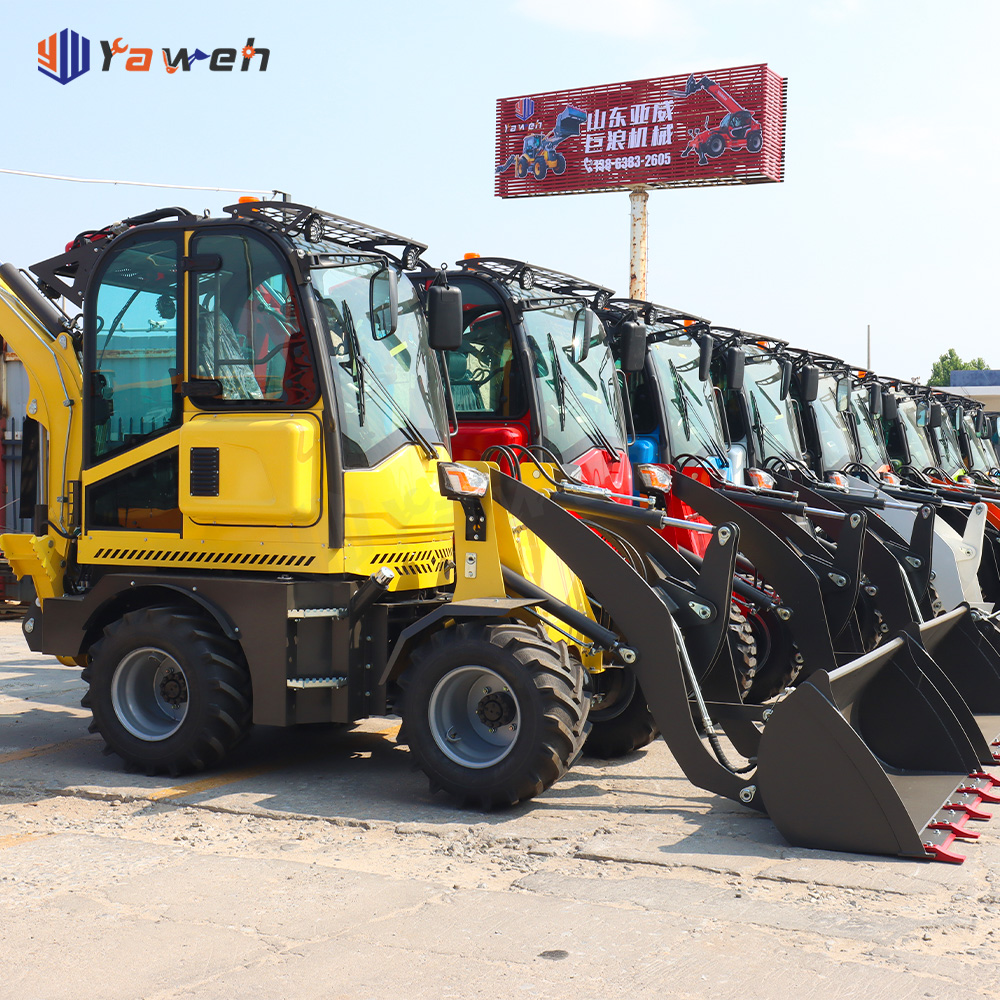
Customizing a machine requires a deep understanding of its critical specifications. Operating weight, digging depth, and hydraulic capacity directly influence performance. You cannot simply look at engine horsepower and assume the machine will perform well. The integration of the engine, pump, and cylinders dictates the actual work output.
Operating weight affects ground pressure and machine stability during heavy lifting. Heavier machines provide better stability but require careful transport planning. Consider trailer weight limits, commercial driver's license (CDL) requirements, and specific tie-down specifications. If your combined truck, trailer, and machine weight exceeds 26,000 lbs, you cross into CDL territory in many jurisdictions. This changes who on your crew can legally move the equipment.
Safe loading and transport dynamics are critical. Transport specifications must include minimum ramp angles, center of gravity considerations during loading, and dedicated tie-down point configurations required for safe transit. Loading a machine on a steep ramp with a high center of gravity is a major rollover risk.
Verify the trailer's Gross Vehicle Weight Rating (GVWR) exceeds the machine's operating weight plus attachments.
Ensure the loading ramps are rated for the point-load of the machine's tracks or tires.
Position the machine over the trailer axles to maintain proper tongue weight on the tow vehicle.
Secure the machine using four independent, DOT-approved chain binders attached to factory-designated D-rings.
Lower all attachments (loader bucket and backhoe bucket) flat onto the trailer deck before transit.
Calculate required digging depth based on standard utility trenching and foundation requirements. Breakout force depends on how the bucket cylinder and dipper cylinder forces interact. This interaction determines the actual digging capability in compacted soils. The bucket cylinder provides the curling force to pry rocks loose. The dipper cylinder provides the crowding force to pull the bucket through the dirt. You need a balance of both to trench efficiently.
Differentiate between gross and net horsepower, emphasizing torque curves over peak horsepower. Evaluate standard versus auxiliary hydraulic systems. Gallons per minute (GPM) and system pressure (PSI) are crucial for running high-demand custom attachments. A machine might boast 40 horsepower, but if the hydraulic pump only pushes 10 GPM, a hydraulic breaker will perform poorly. You need to match the pump output to the specific requirements of your heaviest attachment.
Selecting a mini backhoe loader excavator for construction sites involves assessing site access, off-road performance, and material handling capabilities. Construction sites are dynamic environments with constantly changing terrain and obstacles. The equipment must adapt to these conditions without compromising safety or productivity.
Zero-tail-swing (ZTS) or reduced-tail-swing designs improve stability and safety in congested construction zones. Evaluate track versus wheel configurations based on site terrain, such as mud, finished concrete, or uneven debris. ZTS machines allow operators to focus on the trench without worrying about the rear counterweight swinging into a wall or a passing worker. Tracks distribute weight over a larger area, preventing the machine from sinking in soft mud. Wheels allow for faster travel across large, firm sites.
Specifications critical for rough-terrain operations include ground clearance, gradeability limits, and four-wheel drive (4WD) or differential lock configurations. Understand the limits of off-road testing to prevent tip-overs and track throwing on uneven construction surfaces. High ground clearance prevents the machine from high-centering on debris piles. Differential locks force both wheels on an axle to turn together, providing essential traction when one side of the machine is in slick mud.
Analyze front loader specifications, including hinge pin height, dump clearance, and operating capacity. Evaluate loader arm geometry, choosing between radial and vertical lift for specific construction site tasks like loading dump trucks or grading. Radial lift machines excel at ground-level tasks like grading and excavating. Vertical lift machines keep the load closer to the machine's center of gravity as it rises, making them superior for loading high-sided dump trucks or stacking pallets.
A mini backhoe loader excavator for engineering projects requires specialized attachments and strict adherence to safety standards. Engineering projects often involve precise excavation around sensitive infrastructure. The equipment must offer fine control and robust safety features to protect both the operator and the site.
Integrate custom attachments for engineering tasks, such as hydraulic breakers, augers, compactors, and specialized grapples. Proportional hydraulic controls and quick-coupler systems are necessary for rapid tool changes. Proportional controls allow the operator to feather the hydraulic flow, providing precise control over a grapple or a breaker. Quick-couplers eliminate the need to manually hammer out pins when switching from a bucket to an auger, saving significant time on site.
Evaluate ROPS (Roll-Over Protective Structures) and FOPS (Falling Object Protective Structures) certifications. Ergonomic customizations, like joystick controls, climate control, and visibility enhancements, reduce operator fatigue and improve precision. Address emissions compliance (Tier 4 Final / Stage V) and noise regulations for urban engineering projects. A comfortable operator is a safe and productive operator. Enclosed cabs with proper HVAC systems keep dust out and allow work to continue in harsh weather conditions.
Specifying equipment involves inherent trade-offs between power and maneuverability. A heavier, more powerful machine may sacrifice the agility required for tight-access sites. You cannot have a machine that fits through a standard doorway and also lifts 5,000 pounds. You must identify the absolute maximum constraints of your typical job sites and spec the machine just below those limits.
Calculate the return on investment for custom modifications. Weigh the initial capital expenditure against projected savings in labor, reduced cycle times, and the elimination of secondary support equipment. If adding a high-flow hydraulic circuit allows you to run a cold planer, you eliminate the need to rent a dedicated milling machine. This directly improves project margins and simplifies site logistics.
Customizing equipment introduces specific implementation risks that require careful mitigation strategies. Every non-standard component adds a layer of complexity to maintenance and operation.
Custom hydraulic routing and specialized attachments can complicate routine maintenance and parts sourcing. Standardize on common hydraulic fittings where possible. Maintain detailed custom schematics and ensure vendor guarantees on parts availability. If a custom hose blows on a Friday afternoon, you need to know exactly what thread pitch and pressure rating is required to get a replacement made locally.
Operators accustomed to standard machines may misuse or underutilize custom features, leading to equipment damage or safety hazards. Mandate vendor-led training sessions focusing on custom load charts, specific hydraulic settings, and altered center-of-gravity considerations. A machine with a custom extended dipper stick will have a completely different tipping point than the standard model. Operators must understand these new limits before they start lifting heavy loads.
Specifying a custom machine balances dimensional constraints with hydraulic, structural, and transport capabilities. Prioritize hydraulic flow, breakout force, and transportability over superficial metrics. Match the machine's load chart strictly to the heaviest anticipated site task. Do not assume a standard machine will handle specialized industrial work without significant strain.
Compile your site's maximum lift, depth, and footprint constraints before contacting a dealer.
Audit your current transport fleet to ensure you have the trailer capacity for the new operating weight.
Initiate a technical consultation with a specialized manufacturer to review hydraulic flow requirements.
Request a custom spec sheet and demand a physical demonstration with your heaviest attachment.
A: Typical digging depths range from 7 to 12 feet. Custom dipper sticks or telescopic extensions can significantly alter this metric, allowing for deeper excavation when required by specific project demands. Always check the manufacturer's load chart when using extensions.
A: Evaluate soil density, frost lines, and the specific materials being excavated. This assessment determines the necessary bucket and dipper cylinder force required to efficiently break through compacted or frozen ground without stalling the hydraulic system.
A: Transport requires a dedicated trailer rated for the machine's operating weight. You must account for proper tie-down points, center of gravity during loading, and ensure the towing vehicle meets all legal weight and CDL requirements for your jurisdiction.
A: Yes, provided the machine has the appropriate auxiliary hydraulic flow (GPM) and pressure (PSI). You must verify that the hydraulic system can sustain the continuous demand of the breaker without overheating the hydraulic fluid.
A: Tracks offer lower ground pressure and better traction on mud or uneven terrain. Wheels provide higher travel speeds and are less likely to damage finished surfaces like concrete or asphalt during transit across the site.
A: Auxiliary flow dictates what attachments you can run. High-demand tools like augers, trenchers, and breakers require specific GPM and PSI ratings. Without adequate auxiliary flow, these attachments will stall or operate too slowly to be productive.


